
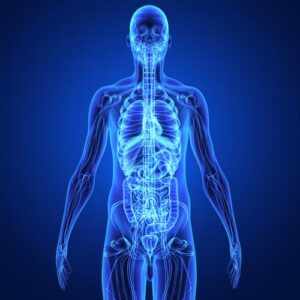
Excessive alcohol use can have serious and lasting effects on liver health, leading to conditions such as fatty liver disease, alcoholic hepatitis, and cirrhosis.
The good news? The liver is also remarkably resilient. With the right steps, and with complete abstinence from alcohol, it can begin to repair itself.
Understanding how alcohol damages the liver, what healing looks like, and how to support recovery is an essential part of rebuilding physical and emotional wellness.
If you or a loved one is struggling with alcohol use disorder, The Raleigh House offers compassionate, evidence-based treatment designed to help you restore your health and reclaim stability.
Continue reading or contact our admissions team to learn how healing can begin.
How alcohol damages the liver
Your liver is the body’s primary filter for toxins, including alcohol. When alcohol is consumed, the liver converts it into acetaldehyde, a toxic substance and known carcinogen, before breaking it down further.
With heavy or repeated drinking, this process becomes overwhelmed. Toxins remain in the liver for longer periods, leading to inflammation, fat buildup, and, eventually, scar tissue.
According to research published by the National Institute on Alcohol Abuse and Alcoholism (NIAAA), prolonged heavy drinking is one of the leading causes of liver disease worldwide.
Stages of alcohol-related liver damage
Alcohol affects the liver in predictable stages. Early intervention can prevent long-term complications.
Fatty liver disease
This is the earliest stage, where excess fat accumulates in the liver. It is often silent and reversible with abstinence and healthy lifestyle changes.
Alcoholic hepatitis
Inflammation develops, leading to symptoms such as abdominal pain, nausea, jaundice, and fatigue. Severe cases can be life-threatening but may improve significantly once alcohol use stops.
Cirrhosis
Scar tissue replaces healthy liver tissue, reducing liver function. At this stage, damage is generally permanent and may require advanced medical treatment, including evaluation for transplant.
Can your liver heal when you stop drinking?
In many cases, yes. The liver is one of the only organs in the body capable of regenerating new cells.
A review published in Alcohol Research: Current Reviews highlights that even after prolonged heavy alcohol use, the liver can regain a significant portion of its functional mass once alcohol consumption stops.
However, the extent of recovery depends on:
- The severity of liver damage
- How long alcohol has been used
- Overall health and nutrition
- Timeliness of intervention
Cirrhosis is typically irreversible, but stopping alcohol can prevent further damage and dramatically improve quality of life.
How long does liver healing take?
Healing is gradual and varies from person to person. Here’s a general timeline:
- Weeks to months: Fatty liver often improves significantly within weeks of sobriety.
- Months to years: Alcoholic hepatitis and mild to moderate fibrosis require months or years of alcohol-free living and medical support.
- Permanent damage: Cirrhosis cannot be reversed, but stopping alcohol prevents progression and may extend lifespan.
Signs your liver is healing after quitting alcohol
Many individuals notice encouraging improvements once sobriety begins, including:
- More stable energy levels
- Clearer skin and brighter eyes
- Improved digestion and appetite
- Reduced abdominal discomfort
- Healthier metabolism
- Improved liver enzyme levels on lab tests
These changes indicate that inflammation is decreasing and the body is beginning to restore balance.
Steps to heal your liver after you stop drinking
Stopping alcohol is the most important step toward healing. Supporting your liver with healthy lifestyle changes can accelerate recovery.
1. Stop drinking completely
Even small amounts of alcohol slow the healing process and increase the risk of further harm.
2. Maintain a healthy weight
Excess weight contributes to fatty liver disease. Sobriety often makes weight management easier.
3. Eat nutrient-rich foods
A diet high in antioxidants, lean proteins, whole grains, and vegetables supports liver repair.
4. Reduce exposure to toxins
Avoid smoking, limit harsh chemicals, and be mindful of environmental toxins.
5. Exercise regularly
Physical activity improves circulation, reduces fat in the liver, and supports overall wellness.
6. Follow medical guidance
Your doctor may recommend bloodwork, imaging, supplements, or medication based on your liver’s condition.
The best diet and supplements for liver repair
Nutrition plays a key role in healing after alcohol use.
Foods that support liver recovery
- Leafy greens and cruciferous vegetables
- Citrus fruits, berries, and antioxidant-rich foods
- Whole grains and high-fiber foods
- Lean proteins such as fish, chicken, tofu, or legumes
- Nuts, seeds, and green tea for natural anti-inflammatory effects
Helpful supplements
- Vitamin C and E for antioxidant protection
- B vitamins, often depleted by alcohol use
- Omega-3 fatty acids to reduce inflammation
It is essential to speak to your provider before changing your diet or adding supplements to your routine.
Can the liver fully regenerate after alcohol use?
The liver has a remarkable ability to heal itself after alcohol use, though that healing depends on the severity of the damage. Its regenerative capacity is powerful, but not limitless.
Here’s what you can typically expect:
- Mild to moderate damage: Significant healing is possible with sustained sobriety.
- Severe fibrosis or cirrhosis: Regeneration is limited, but stopping alcohol can prevent further progression and protect remaining function.
- Any stage: Sobriety reduces inflammation, improves overall health, and enhances quality of life.
Recovery begins with addressing alcohol use disorder itself.
Comprehensive alcohol addiction treatment options
Healing your liver starts with healing the whole person. At The Raleigh House, we provide integrated alcohol addiction treatment that supports physical, emotional, and nutritional recovery.
Our programs include:
- Medically supervised detox and stabilization to help you stop drinking safely
- Individual and group therapy to address the root causes of alcohol use
- Nutrition planning and pro-recovery diet support
- Trauma-informed care and experiential therapies
- Aftercare planning for long-term success
- Options for both residential and intensive outpatient treatment
Get compassionate support for alcohol use disorder at The Raleigh House
Healing your liver starts with healing the relationship you have with alcohol. You don’t have to navigate this process alone. With the proper support, your body, mind, and overall well-being can begin to rebuild.
At The Raleigh House, we take a whole-person approach that addresses liver health, nutrition, emotional healing, and the underlying factors that contribute to alcohol use disorder.
Our team provides evidence-based care in an encouraging, non-judgmental environment where clients can feel safe, supported, and understood.
We offer treatment at two trusted Colorado locations:
- The Ranch at The Raleigh House: Nestled in the peaceful Colorado countryside, The Ranch provides a serene space for those looking to recover from trauma, mental health conditions, and addiction. With nature-inspired therapies and a nurturing community, the ranch is an ideal place to find peace and heal.
- The Center for Integrative Behavioral Health: Located in the Denver Tech Center, our newest facility offers the same clinical excellence and unique healing experiences for trauma, mental health, and addiction. It’s an excellent setting as well for individuals who need physical accessibility support in a beautiful, nurturing environment.
Wherever you begin, you’ll be met with compassion, structure, and the tools needed to move toward long-term recovery and improved liver health. Contact us today to get started.
Frequently asked questions about liver healing after alcohol
Families and individuals often have questions about what happens to the liver after quitting alcohol. Below are clear answers to some of the most common concerns.
Does complete liver regeneration happen after alcohol abuse?
Not always. Mild conditions, like fatty liver, may fully heal with sustained sobriety, but advanced scarring from cirrhosis is permanent.
Can mild liver damage be reversed naturally?
Yes. With consistent sobriety, balanced nutrition, and healthy lifestyle habits, mild liver damage often heals without the need for medical intervention.
What lifestyle changes improve long-term liver health?
Maintaining sobriety, eating a nutrient-rich diet, exercising regularly, avoiding toxins, and keeping up with medical appointments all help protect the liver.
Is liver detox after alcohol scientifically proven?
No. There’s no quick detox or supplement that can reverse alcohol-related liver damage. True healing comes from long-term lifestyle changes, medical guidance, and avoiding alcohol altogether.
How can I tell if my liver damage is severe?
Symptoms like jaundice, abdominal or leg swelling, chronic fatigue, and abnormal liver tests may indicate severe damage. Only a medical provider can determine severity through proper evaluation and imaging.
Related Articles
How to Heal Your Liver After You Stop Drinking
Alcohol Addiction Rehab at The Raleigh House
Who is Most Likely to Become an Alcoholic and Why?
Taking the Next Step at an Alcohol Addiction Rehabilitation Center