
Attachment disorder affects how people connect with others, making it challenging to build trust, form close relationships, or manage emotions in healthy ways.
Whether it stems from early childhood neglect, trauma, or inconsistent caregiving, the effects of attachment issues often extend into adulthood and can contribute to mental health challenges or substance use.
At The Raleigh House, we take an integrated approach to treating attachment disorders. Our expert team provides evidence-based therapy and compassionate support to help clients rebuild trust, repair emotional bonds, and heal from the inside out.
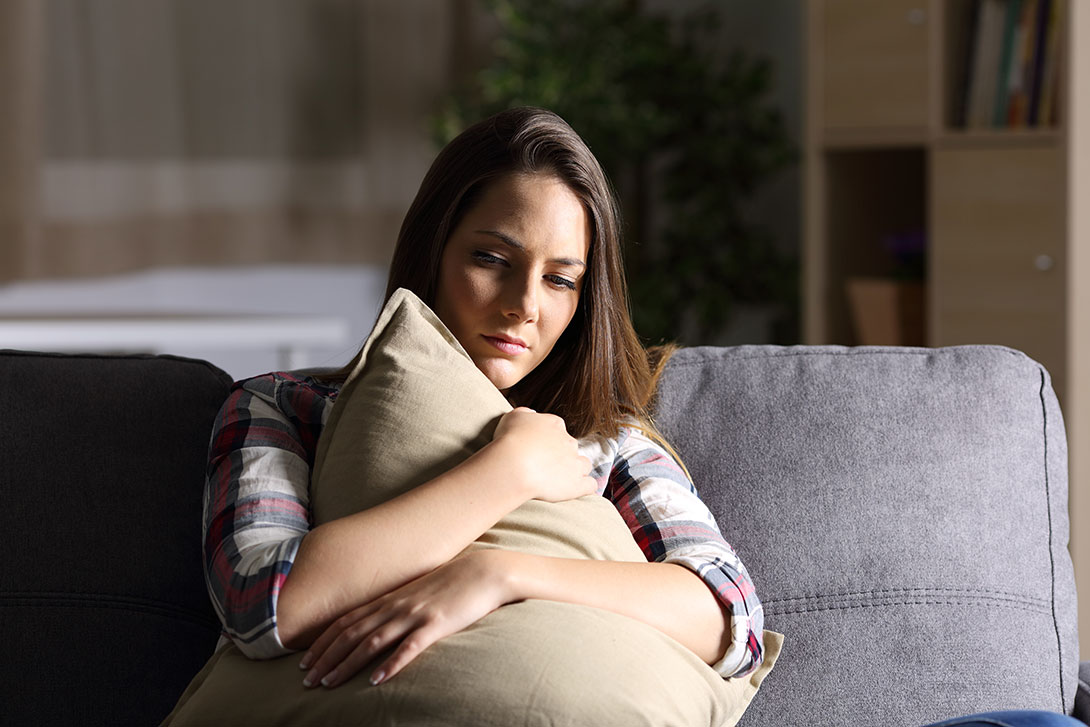
What is attachment disorder?
Attachment disorder refers to difficulties in forming secure, healthy emotional connections with others.
These patterns often develop in early childhood when a child does not receive consistent care, affection, or emotional responsiveness from primary caregivers.
Types of attachment disorders
The two primary attachment disorders listed in the DSM-5 are:
- Reactive Attachment Disorder (RAD)
- Disinhibited Social Engagement Disorder (DSED)
While these diagnoses apply to children, attachment difficulties frequently carry over into adulthood, impacting relationships, mental health, and sometimes leading to self-medication through drugs or alcohol.
What is reactive attachment disorder?
Reactive Attachment Disorder (RAD) is a severe form of attachment disorder most often seen in children who have experienced chronic neglect or abuse.
RAD is characterized by withdrawal, emotional unresponsiveness, and limited connection with caregivers or others.
What is disinhibited social engagement disorder?
Disinhibited Social Engagement Disorder (DSED) is another form of attachment disorder, also rooted in early neglect or social deprivation.
Unlike RAD, children with DSED are overly familiar with strangers, lack appropriate social boundaries, and may seek attention or comfort indiscriminately.
DSED behaviors can persist into adolescence and adulthood, often leading to risky or impulsive social interactions.
Common signs and symptoms
Attachment disorders can present differently depending on age, past experiences, and the specific type of disorder.
Attachment disorder symptoms in children
The most common signs of attachment disorder in children include:
- Difficulty showing affection or forming bonds
- Withdrawn behavior or limited emotional expression
- Lack of trust in caregivers or others
- Excessive familiarity with strangers (DSED)
- Anger, irritability, or unexplained mood swings
Attachment disorder symptoms in adults
Adults with attachment disorder often experience:
- Difficulty forming or maintaining relationships
- Intense fear of rejection or abandonment
- Chronic distrust of others
- Emotional detachment or numbness
- Low self-worth or poor self-image
- Dependency on substances to numb emotional pain
Reactive attachment disorder symptoms
RAD symptoms in children and adults include:
- Minimal social interaction
- Flat or inappropriate emotional responses
- Inability to seek comfort when distressed
Disinterest in age-appropriate social relationships
Causes and risk factors
Attachment disorders are most often rooted in early childhood experiences, such as:
- Physical or emotional neglect
- Abuse or trauma
- Frequent changes in caregivers or placements
- Institutional care (e.g., orphanages or group homes)
- Lack of emotional attunement or responsiveness from caregivers
Diagnosis and assessment
Diagnosing an attachment disorder requires a comprehensive psychological evaluation, especially since symptoms often overlap with other mental health conditions.
At The Raleigh House, licensed clinicians conduct in-depth assessments to understand each client’s history, behavior patterns, and emotional needs.
For children, diagnosis typically involves input from caregivers, teachers, and therapists.
For adults, clinicians explore patterns in relationships, emotional regulation, and past trauma.
Effective treatment options at The Raleigh House
We offer customized, evidence-based therapies and personalized treatment plans that support long-term healing and emotional growth.
Attachment disorders therapy
Therapy focuses on identifying and reshaping unhealthy attachment styles through a combination of:
- Cognitive Behavioral Therapy (CBT)
- Eye Movement Desensitization and Reprocessing (EMDR)
- Trauma-informed approaches
- Mindfulness and emotion regulation strategies
Counseling for attachment disorders
Counseling provides a safe, supportive space to explore the root of attachment wounds, rebuild trust, and develop healthier interpersonal behaviors.
We offer both individual and family counseling to help clients repair key relationships.
Therapy for reactive attachment disorder
For RAD, our therapists work to help clients form secure bonds and regulate emotions, often incorporating experiential therapies such as equine-assisted therapy or art therapy to foster connection and trust.
How The Raleigh House supports healing
Healing from an attachment disorder isn’t about quick fixes. It’s about creating a nurturing environment that allows the brain and body to reconnect, trust, and thrive.
At The Raleigh House, we go beyond symptom management. We offer:
- A trauma-informed, person-centered approach
- Holistic therapies that integrate nutrition, fitness, yoga, mindfulness, and meditation
- Support groups and family involvement
- Expert clinicians who specialize in attachment wounds and co-occurring disorders
Our treatment programs emphasize emotional safety, healthy connection, and the development of core life skills that support lasting recovery.
Visit The Raleigh House for effective and compassionate attachment disorders treatment
The Raleigh House offers treatment at two Colorado locations designed to meet your needs:
- The Ranch at The Raleigh House in Watkins provides a serene, nature-based residential setting where clients can focus deeply on healing through structured therapy, routine, and peer support.
- The Center for Integrative Behavioral Health in Denver offers a flexible outpatient setting that delivers the same clinical excellence in a more accessible urban environment—ideal for clients balancing daily responsibilities or seeking a step-down level of care.
Whether you’re a parent concerned about your child’s attachment issues or an adult looking to heal from early trauma, The Raleigh House can help. Reach out to our admissions team to learn more about our comprehensive programs and how to get started.
FAQs About attachment disorders
Here are some of the most common questions we hear about attachment disorders and treatment at The Raleigh House.
Can attachment disorders be cured?
While attachment disorders may not entirely “go away,” they can be effectively managed with therapy, support, and consistency. Many people develop healthier relationship patterns and emotional responses over time.
What is the difference between attachment disorder and reactive attachment disorder?
“Attachment disorder” is a general term that refers to difficulty forming secure emotional connections. Reactive Attachment Disorder (RAD) is a specific diagnosis characterized by emotional withdrawal and limited bonding, typically in children.
How long does treatment usually take?
Treatment timelines vary, but most clients benefit from several weeks to several months of consistent therapy. Long-term follow-up and support are often recommended, especially for adults with long-standing patterns.
Is treatment different for children and adults?
Yes. Children often benefit from play therapy, family involvement, and structured behavioral plans. Adults typically engage in talk therapy, trauma processing, and skill-building strategies tailored to their life experiences.