
Bipolar II disorder affects more than just mood—it can disrupt relationships, work, and everyday stability.
While the highs may not seem extreme, the emotional lows can be profound and challenging to manage without support.
At The Raleigh House, we provide compassionate, evidence-based treatment for individuals living with bipolar II disorder. Our programs combine medical expertise, psychotherapy, and holistic care to help clients find balance, build resilience, and reclaim their lives.
To learn more about how Bipolar II disorder is treated and how recovery begins, continue reading or contact our team.
What is bipolar II disorder?
Bipolar II disorder is a type of mood disorder characterized by cycles of depression and hypomania, which is a milder form of mania. These mood changes can make it difficult to function, maintain relationships, or stay focused at work or school.
According to the World Health Organization, bipolar disorder affects approximately 1 in 200 people worldwide, highlighting how common and impactful this condition can be without proper treatment.
Understanding the difference between bipolar I and bipolar II
The main difference between bipolar I and bipolar II lies in the severity of manic episodes.
Bipolar I involves full manic episodes that can be severe enough to require hospitalization. Bipolar II involves hypomanic episodes that are less intense but often followed by longer, deep periods of depression.
Both forms can have a serious impact on daily life and require professional care.
Common misconceptions about bipolar II disorder
Many people mistakenly believe that bipolar II is simply moodiness or a less serious version of bipolar I. In reality, bipolar II can cause severe emotional distress, fatigue, and difficulty functioning. With proper treatment, however, people can learn to manage their symptoms and live fulfilling, stable lives.
Signs and symptoms of bipolar II disorder
Recognizing bipolar II symptoms early can make a significant difference in managing the condition.
Common signs of bipolar II disorder include:
- Extended periods of sadness or hopelessness
- Periods of elevated energy, confidence, or irritability
- Difficulty focusing or following through on tasks
- Changes in sleep, such as sleeping too much or too little
- Impulsive spending or risky decisions
- Feelings of guilt or worthlessness
- Withdrawal from friends, family, or activities
If these patterns persist, it may be time to seek an evaluation from a licensed mental health professional.
Causes and risk factors
Bipolar II disorder develops through a mix of genetic, biological, and environmental influences.
- Genetic factors: Having a family member with bipolar disorder increases risk.
- Brain chemistry: Imbalances in brain chemicals like serotonin and dopamine can affect mood regulation.
- Stress and trauma: Major life stressors or trauma can trigger mood episodes.
- Substance use: Drugs or alcohol can worsen mood instability and make diagnosis more difficult.
Understanding these risk factors can help guide treatment and prevention strategies.
How bipolar II disorder is diagnosed
Bipolar II diagnosis begins with a comprehensive mental health evaluation that includes clinical interviews, a review of symptom history, and, in some cases, medical testing to rule out other potential conditions.
At The Raleigh House, we use structured psychological assessments and evidence-based tools to ensure an accurate diagnosis and treatment plan.
Treatment options for bipolar II disorder
Successful treatment involves addressing both the physical and emotional aspects of bipolar II disorder. Our integrated care approach includes therapy, medication, and lifestyle support.
Evidence-based bipolar II treatment options
Specialized services at The Raleigh House are designed to address both the emotional and behavioral aspects of bipolar II disorder.
Each therapy supports self-awareness, stability, and long-term recovery through clinically proven techniques, including:
- Cognitive Behavioral Therapy (CBT): helps clients recognize and change negative thought patterns that contribute to depression, anxiety, and mood swings.
- Dialectical Behavior Therapy (DBT): teaches skills for emotional regulation, distress tolerance, and improving relationships.
- Trauma-informed therapy: focuses on identifying and healing the effects of past trauma that may influence mood instability or co-occurring conditions.
- Motivational interviewing: encourages clients to build motivation for change, increase engagement in treatment, and strengthen self-confidence.
- Family therapy: improves communication and understanding among loved ones to create a stable, supportive home environment.
These evidence-based approaches help clients gain insight into their condition, reduce the severity of mood episodes, and develop practical coping strategies for lasting recovery.
Medications for bipolar II disorder
Medication is often used to balance mood and reduce the intensity of depressive or hypomanic episodes. Common bipolar II medications include mood stabilizers, antidepressants, and atypical antipsychotics.
Our clinicians work closely with each client to determine the optimal combination for their specific needs.
Cognitive and behavioral therapy approaches
Therapy plays a central role in treatment. CBT helps clients identify negative thinking patterns, while DBT teaches emotional regulation and distress tolerance skills. Together, these therapies build long-term resilience.
Bipolar II disorder medication management
Ongoing medication management is essential for maintaining stability. Our clinical team regularly monitors dosage, side effects, and progress to ensure the most effective care throughout the recovery process.
Comprehensive treatment programs at The Raleigh House
At The Raleigh House, clients benefit from a safe and structured environment that supports full recovery.
Bipolar II treatment program overview
Our programs offer a comprehensive continuum of care, ranging from residential treatment to outpatient services. Each phase of therapy focuses on rebuilding stability, developing coping skills, and maintaining long-term emotional health.
Inpatient and outpatient care options
Our inpatient program offers a highly structured environment with 24-hour support, individualized therapy, and holistic wellness activities that promote profound emotional healing.
Outpatient care offers flexible scheduling for those transitioning from residential treatment or balancing work, school, or family responsibilities. Clients continue therapy, medication management, and skill development in a supportive and realistic context.
Dual diagnosis: Bipolar II and substance use
Many individuals with bipolar II also experience substance use disorders. Our dual diagnosis programs treat both conditions together to promote full recovery and prevent relapse.
Holistic and integrative treatment approaches
In addition to therapy and medication, clients participate in activities that support mind-body healing, such as yoga and meditation, nutrition planning, and rock climbing therapy. These elements help restore physical and emotional balance.
Managing bipolar II disorder in daily life
Recovery doesn’t stop after treatment. It’s about maintaining new habits and healthy coping mechanisms in daily life.
Lifestyle changes and coping strategies
Regular exercise, healthy meals, and a consistent sleep schedule are key to maintaining mood stability. Clients are encouraged to create daily routines that promote structure and reduce stress.
The importance of ongoing therapy and support
Continued therapy helps maintain progress and prevent relapse. Support groups, family counseling, and check-ins with clinicians reinforce emotional wellness.
Relapse prevention and long-term stability
Our team helps clients develop personalized relapse prevention plans that include identifying early warning signs, acquiring emergency coping skills, and establishing ongoing support networks to maintain long-term stability.
When to seek help for bipolar II disorder
Knowing when to reach out for help can make all the difference in managing bipolar II disorder.
If mood changes interfere with your work, relationships, or overall well-being, it may be time to seek professional support.
Early intervention can stabilize symptoms, reduce the risk of future episodes, and improve long-term outcomes.
Our team at The Raleigh House provides a compassionate, judgment-free space where healing and stability can begin.
Personalized bipolar II treatment in Colorado
No two experiences with bipolar II disorder are the same, which is why treatment at The Raleigh House is tailored to meet each client’s unique needs, goals, and lifestyle.
Our team creates individualized care plans that address emotional, physical, and psychological well-being through evidence-based therapy, medication management, and holistic support.
We provide care across two Colorado locations, ensuring clients have access to the environment and structure that best supports their recovery journey:
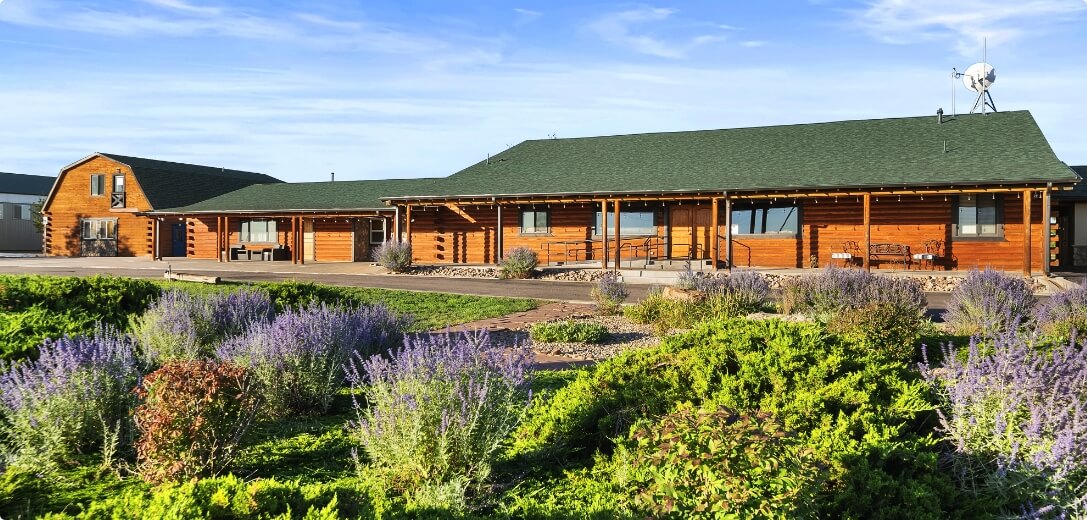
- The Ranch at The Raleigh House: Located in the peaceful countryside of Watkins, this residential campus offers a therapeutic retreat for immersive healing. Clients participate in structured daily programming, nature-based therapies, and one-on-one counseling, all designed to restore balance and promote long-term emotional stability.
- The Center for Integrative Behavioral Health: Situated in the Denver Tech Center, this modern outpatient facility provides flexible treatment options for those continuing care or managing recovery while maintaining daily responsibilities. Services include ongoing therapy, medication management, and relapse prevention support.
Wherever your path begins, our team is dedicated to helping you regain control, achieve emotional balance, and build a foundation for lasting wellness. Contact us today to begin your recovery journey.

Frequently asked questions about bipolar II disorder
If you’re exploring treatment options, these FAQs can help you better understand what to expect from diagnosis through recovery.
Can bipolar II disorder go away without treatment?
No, bipolar II disorder requires professional care. Without treatment, symptoms may worsen over time and lead to severe depression or increased risk of substance use.
What happens if bipolar II disorder is left untreated?
Untreated bipolar II disorder can cause long-term emotional instability, strain relationships, and interfere with work or school. Treatment helps stabilize mood and prevent these consequences.
How long does it take to recover from bipolar II disorder?
Recovery varies for each person. With consistent therapy, medication, and lifestyle changes, many people begin to see improvement within several months.
What is a bipolar II person like?
Individuals with bipolar II often appear highly motivated and energetic during hypomanic periods but may experience deep sadness or fatigue during depressive episodes.
Can a person with bipolar II live a normal life?
Yes, people with bipolar II disorder can live balanced and fulfilling lives with the right treatment plan, support system, and coping strategies.
Does bipolar II get worse with age?
Symptoms may become more pronounced without treatment; however, with ongoing management, most people can maintain stability throughout their lives.
Can bipolar II cause brain damage?
Bipolar II does not cause structural brain damage, but untreated episodes may affect cognitive function. Early and consistent treatment helps protect long-term mental health.
Is bipolar II mostly depression?
For most people, yes, depression is the most dominant and long-lasting symptom of bipolar II disorder. Treatment focuses heavily on managing depressive episodes and maintaining emotional stability.
What are the struggles of bipolar II?
Common struggles of bipolar II include mood swings, fatigue, anxiety, and difficulty maintaining routines or relationships. With integrated treatment, clients can learn to manage these challenges and build resilience.