
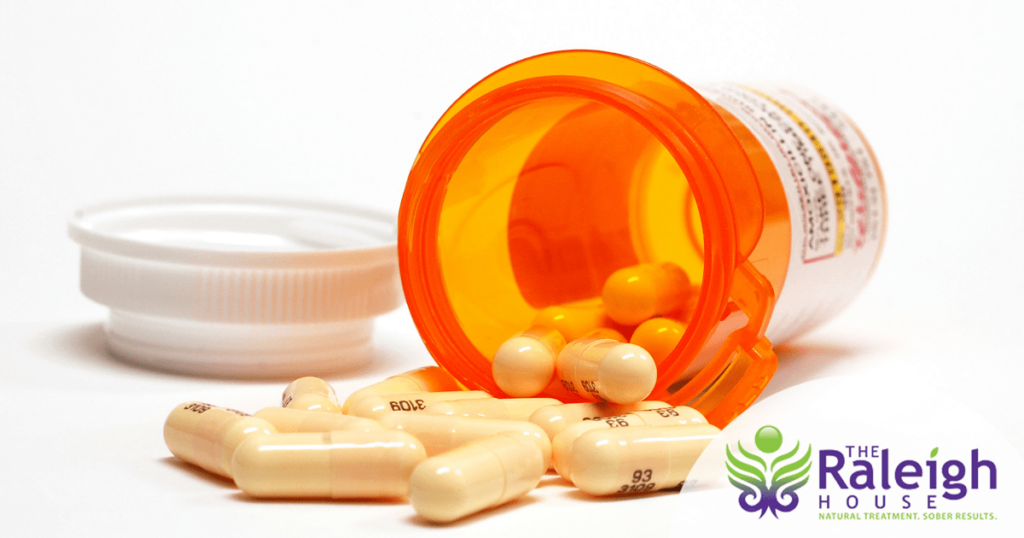
The opioid epidemic kills more than 115 people a day.
Here’s how it happened: People get hooked on prescription opioid painkillers (like Vicodin and Oxycontin) and then either can’t get enough of them or can’t afford them any longer. So they switched to heroin, which is increasingly laced with the deadly drug fentanyl.
So what’s the good news in all that?
There are actually two statistics to celebrate. The first is that the number of new monthly prescriptions for medications to treat opioid addiction nearly doubled in the last two years, according to a new report by the IQVIA Institute for Human Data Science, which studies drug use.
The other good news is that the root cause of the problem is, finally, being addressed. The number of new prescriptions written for opioid pain medicine declined by 7.8 percent over the course of 2017.
That didn’t happen by accident. Two years ago, the Centers for Disease Control and Prevention issued new guidelines for doctors prescribing opioid painkillers. They called for doctors to first try over-the-counter painkillers and, if necessary, then give only a few days’ supply of opioid painkillers. Many states have also been tracking prescriptions more closely in an effort to prevent users from seeking prescriptions from more than one doctor at the same time.
Prescription Opioid Abuse: The Bad News
Although the report from the IQVIA Institute was definitely promising, there is still a long way to go. While more people are seeking treatment, the report also states that only about 20 percent of the estimated 2.6 million people who are addicted to opioids are getting any kind of help.
Help, Hope and Healing at The Raleigh House
Painkiller and heroin addiction can be successfully treated. At The Raleigh House, located in Denver, we embrace a whole-person approach to healing that addresses physical, mental and emotional health. Each person who walks through our doors is assigned his or her own master’s level therapist. One-on-one and group therapy sessions help heal emotionally, while chef-prepared meals and activities like yoga and kick boxing help heal the body. Fill out our form or contact us today to learn more about the heroin addiction treatment program and the painkiller addiction treatment program at The Raleigh House.
FAQs About Opioid Addiction
What are the 3 Opioid Addiction Stats?
What are the Dangers of Combining Opioids & Sedatives?
What is the Cost of the Opioid Epidemic?
What are the Impacts of COVID-19 on the Opioid Epidemic?
What Is the Difference Between Opioids and Opiates?
What are the Pros and Cons of Using Marijuana to Quit Opioid Drugs?
Can Medical Marijuana be Used as an Alternative to Opioids?
Why Construction Workers are at Higher Risk of Opioid Addiction?
How Opioids Depress Productivity & Our Workforce?
What’s New in the Opioid Epidemic?
How the Opioid Epidemic is Affecting Millennials?
How Opioids Can Affect Your Gut Health?
What are The Risks of Opioid Use and HIV?
What are the Signs and Symptoms of Opioid Withdrawal?
How to Help Babies of Recovering Addicts?
What Emerging Meth Crisis Has to Do with Opioid Users?
What is the Role of Family in Recovering from Opioid Addiction?
What are the Opioid Prescription Statistics?
What is the Pandemic on Opioid Addiction?
Can Medical Marijuana Reduce Opioid Use?
What are the statistics on the Current Opioid Epidemic?
How Opioid Use Increases HIV Risk